
IPTV Streaming: The Future of Television
What is IPTV?
Internet Protocol Television (IPTV) represents a revolutionary shift in how we consume television content. Unlike traditional broadcast methods that rely on satellite signals or cable infrastructure, IPTV delivers television programming through internet protocols, using the same network that powers your web browsing and email.
How IPTV Works
IPTV operates by converting television signals into data packets that travel over internet networks. When you select a channel or program, the content is streamed directly to your device in real-time. This process involves three main delivery methods:
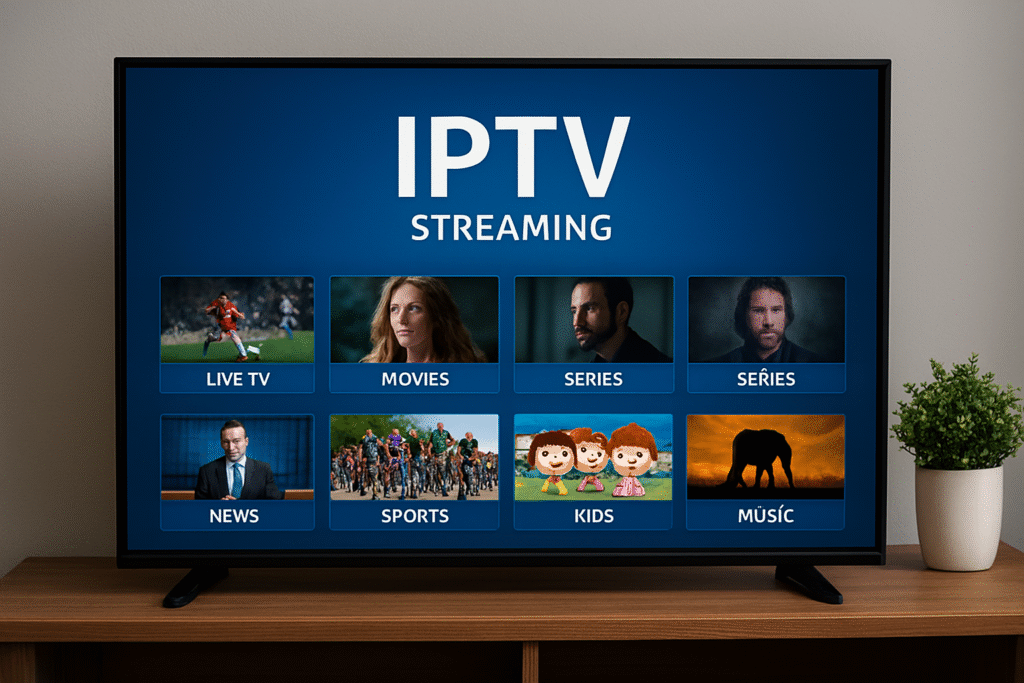
Live Television streams content in real-time, similar to traditional broadcast TV. You can watch sports events, news, and live shows as they happen, but the content is delivered via your internet connection rather than through airwaves or cables.
Video on Demand (VOD) gives viewers access to a library of content that can be watched at any time. This includes movies, TV series, and documentaries that you can start, pause, and resume at your convenience.
Time-Shifted Media allows you to watch previously aired content. Features like catch-up TV enable you to view shows that aired hours or days ago, while start-over functionality lets you restart a program that’s currently in progress.
Advantages of IPTV Streaming
The appeal of IPTV extends beyond simple convenience. The technology offers interactive features that traditional television cannot match, including the ability to pause live TV, access electronic program guides, and integrate with other internet services.
Content personalization stands as one of IPTV’s strongest advantages. The technology can recommend shows based on your viewing habits, create customized channel lists, and even adjust streaming quality based on your internet connection speed.
Cost efficiency makes IPTV attractive to many consumers. Without the need for expensive satellite dishes or extensive cable infrastructure, service providers can often offer competitive pricing. Additionally, users can typically choose from various subscription tiers, paying only for the content they want.
Device flexibility means you’re not limited to watching on a traditional television. IPTV services work across smartphones, tablets, computers, and smart TVs, allowing you to watch your favorite content wherever you have an internet connection.
Technical Requirements
To enjoy IPTV streaming, you need a stable internet connection with adequate bandwidth. Standard definition content typically requires speeds of at least 4-6 Mbps, while high definition streams need 10-20 Mbps. For 4K content, you should have speeds exceeding 25 Mbps.
The hardware requirements are relatively straightforward. You can use a smart TV with built-in IPTV apps, a set-top box designed for IPTV services, or devices like streaming sticks and media players. Many services also work directly through web browsers on computers and mobile apps on smartphones.
Challenges and Considerations
Network dependency represents IPTV’s primary limitation. Without a reliable internet connection, you cannot access your content. Buffering issues can occur during peak usage times or if your connection is unstable.
Legal considerations are crucial when choosing an IPTV service. While many legitimate providers offer licensed content, illegal IPTV services that stream copyrighted material without authorization also exist. Users should ensure they’re subscribing to legal services that properly compensate content creators and rights holders.
The Future of IPTV
As internet infrastructure continues to improve globally and 5G networks expand, IPTV is positioned to become the dominant method of television delivery. The technology enables innovations like ultra-high-definition streaming, enhanced interactivity, and integration with smart home systems.
The convergence of television, internet, and telecommunications services through IPTV creates new possibilities for content consumption. From cloud DVR capabilities to multi-screen viewing experiences, IPTV continues to evolve and reshape our relationship with television content.
Conclusion
IPTV streaming represents more than just a new way to watch television—it’s a fundamental transformation of the media landscape. By leveraging internet technology, IPTV offers flexibility, interactivity, and personalization that traditional broadcasting cannot match. As the technology matures and internet infrastructure improves, IPTV will likely become the standard method for television delivery, making traditional broadcast and cable systems increasingly obsolete.
Whether you’re considering switching to an IPTV service or simply curious about the technology, understanding how IPTV works helps you make informed decisions about your entertainment options in an increasingly digital world.